Introduction to Reading Food Labels
Food labels provide essential information about the nutritional content and ingredients of packaged products. Learning to read and interpret these labels correctly helps you understand what you are consuming and make informed decisions about the foods you choose.
This educational resource explains the key components of food labels, including nutritional values, serving sizes, ingredients, and common terminology you may encounter.
Food labels are standardized to communicate important health and safety information. Understanding the layout and meaning of each section empowers consumers to evaluate products based on their nutritional profile.
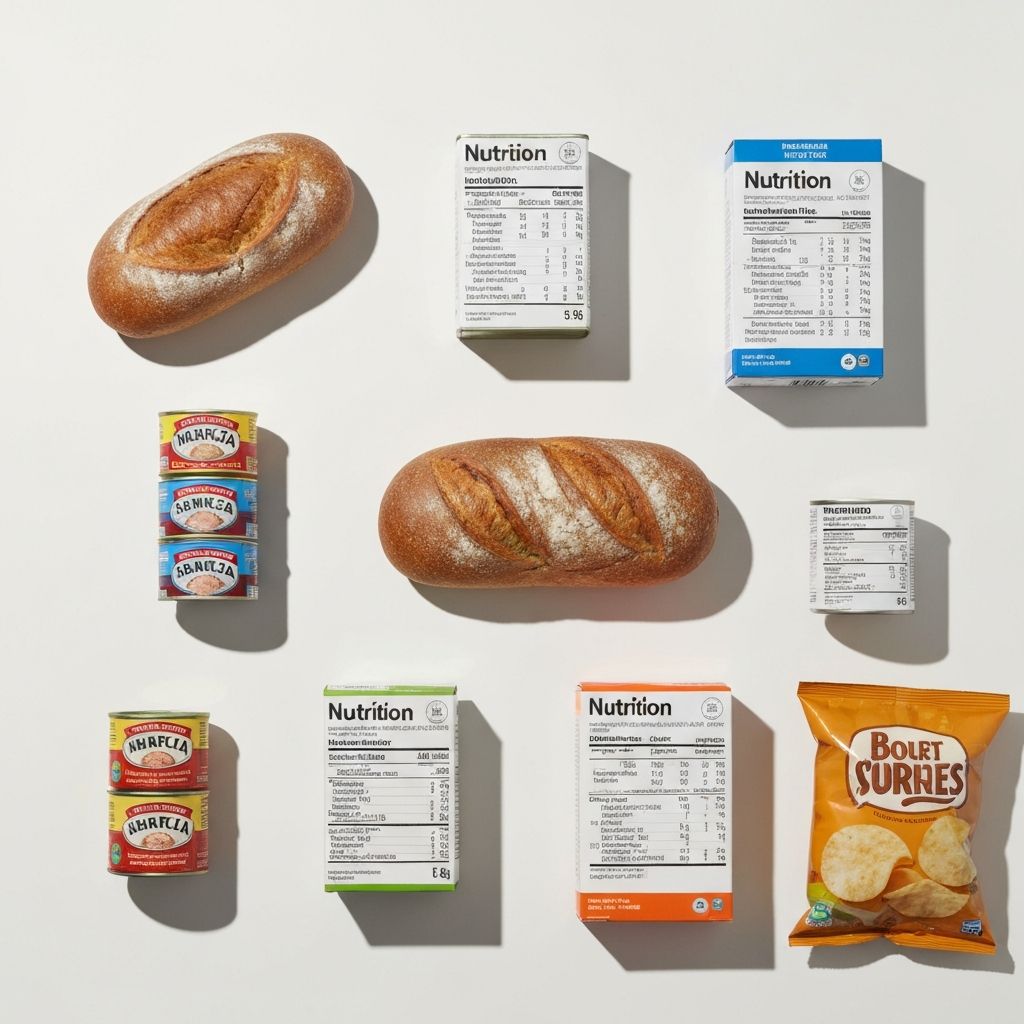
Understanding Nutritional Values
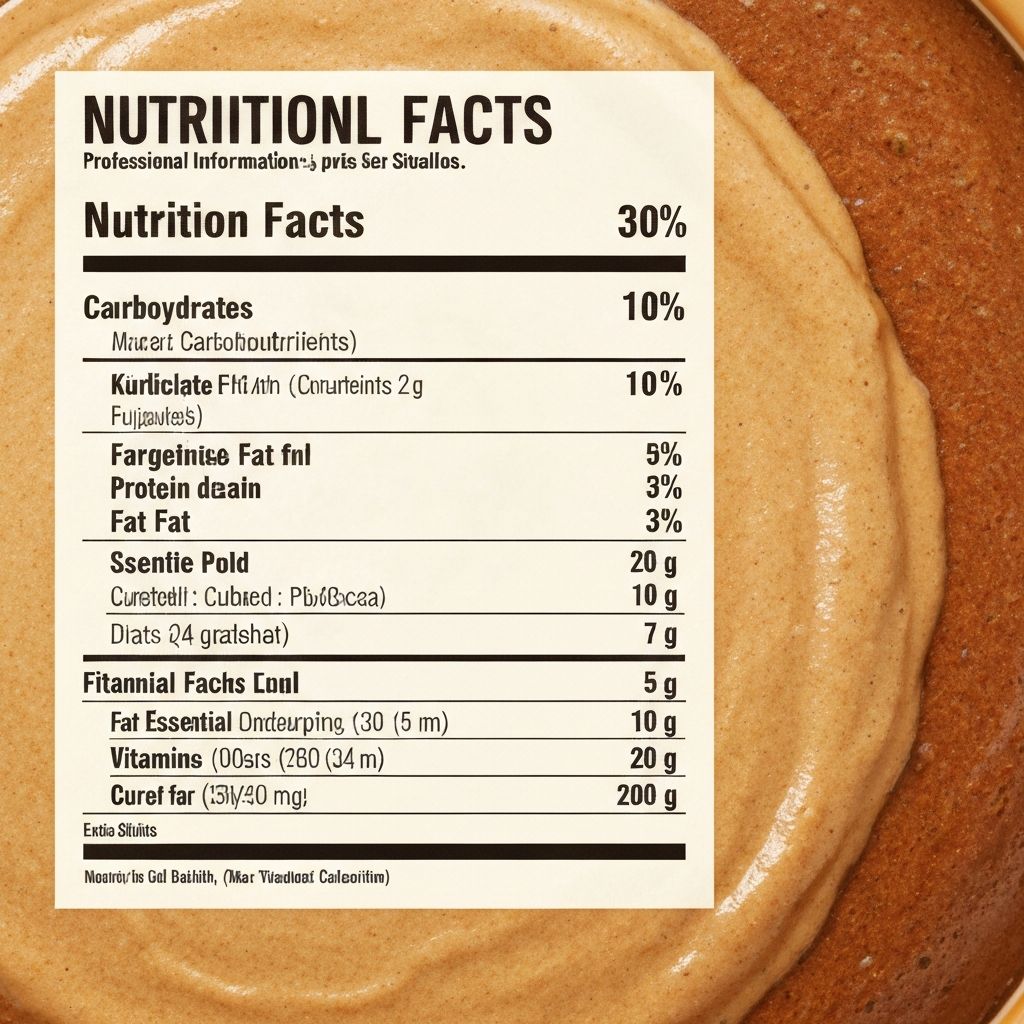
The nutrition facts panel displays the amounts of nutrients present in a serving of the product. Key values include calories, total fat, saturated fat, trans fat, cholesterol, sodium, total carbohydrates, dietary fiber, sugars, and protein.
Each nutrient is listed with the amount per serving and often includes a percentage daily value, which indicates how much of the recommended daily intake that amount represents based on a 2000-calorie diet.
Different nutrients have different recommended daily intake levels. Some nutrients, like sodium and added sugars, are recommended in limited amounts, while others, such as fiber and vitamins, are recommended in adequate quantities.
Learn MoreServing Sizes and Portions
The serving size is listed at the top of the nutrition facts panel and represents the amount of food used to calculate the nutritional values shown. It is important to note that the serving size may differ from the amount you actually consume.
Understanding serving sizes helps you accurately assess how much of each nutrient you are consuming. If you eat double the serving size, you are consuming double the calories and nutrients listed.
Serving sizes are standardized based on reference amounts established by regulatory bodies, ensuring consistency across different products in the same category.
Common Label Myths and Clarifications
Myth: All sugar is the same
Clarification: Labels distinguish between naturally occurring sugars and added sugars. While both contribute to total sugar content, added sugars are those included during processing and are recommended in limited amounts.
Myth: Fat-free means healthy
Clarification: Fat-free products may contain other nutrients that contribute to overall caloric content, such as added sugars or sodium. Reading the full nutrition panel provides a complete picture of the product's nutritional profile.
Myth: Natural means nutritious
Clarification: Terms like natural are not strictly regulated on labels and do not necessarily indicate nutritional value. The nutrition facts panel and ingredient list provide objective information about what is in the product.
Blog and Resources
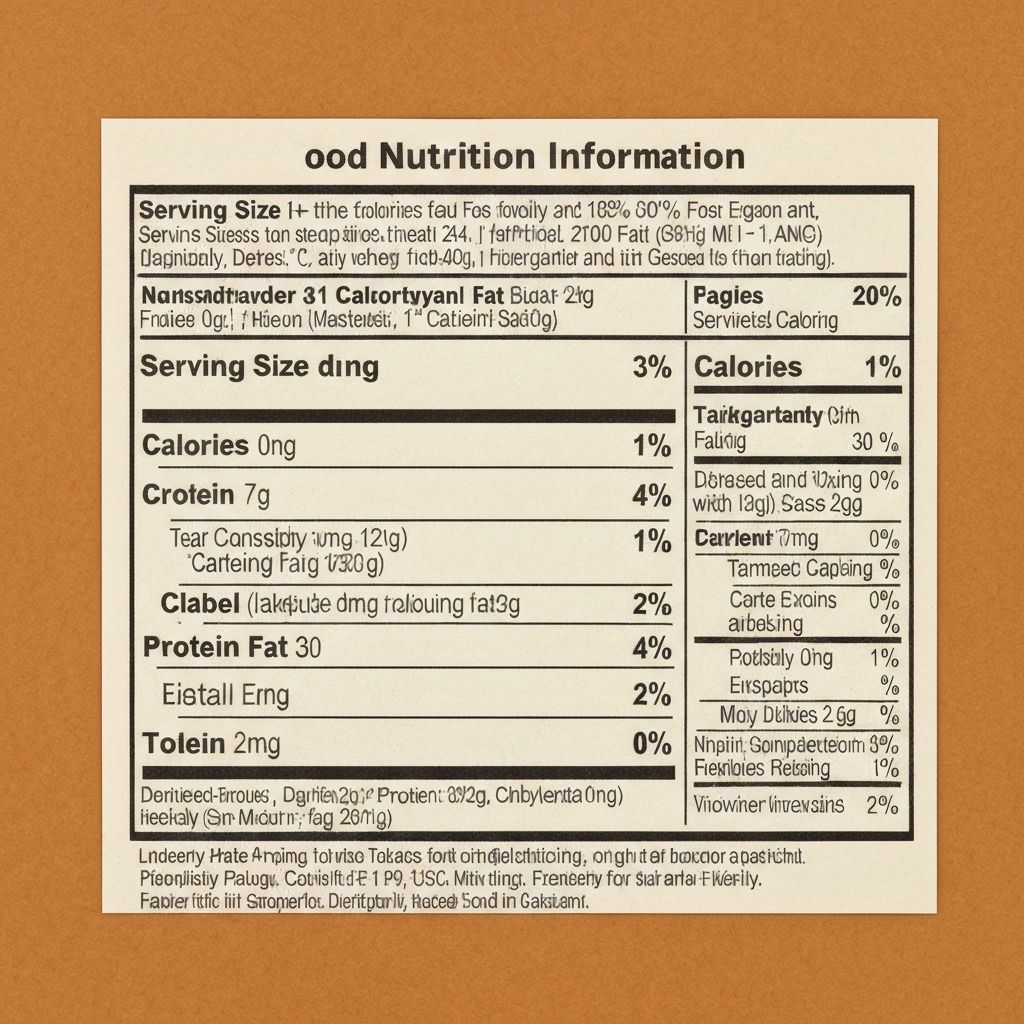
Understanding Nutrition Labels
A comprehensive guide to reading and interpreting nutrition facts panels on food products.
Read in Detail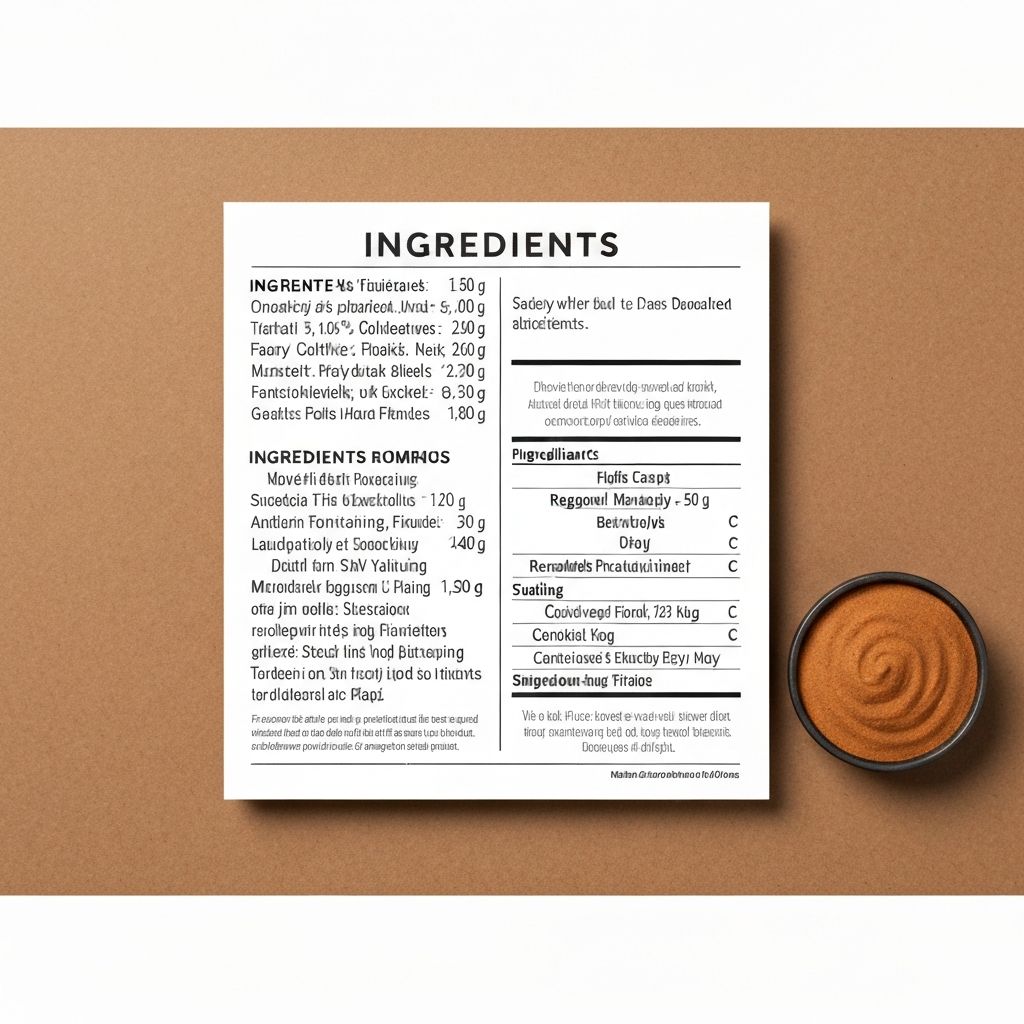
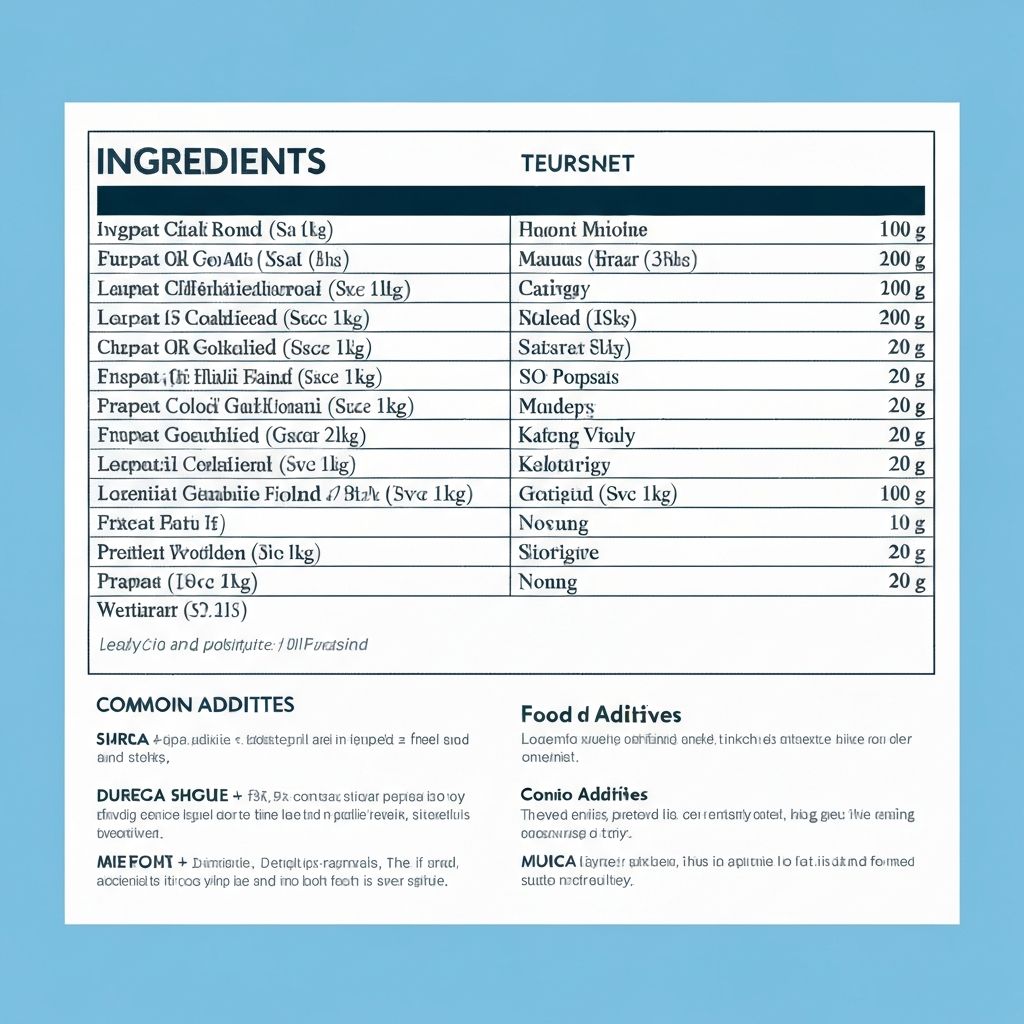
Ingredient Lists and Additives
Learn what ingredient lists tell you and how to identify additives and their purposes on food labels.
Read in Detail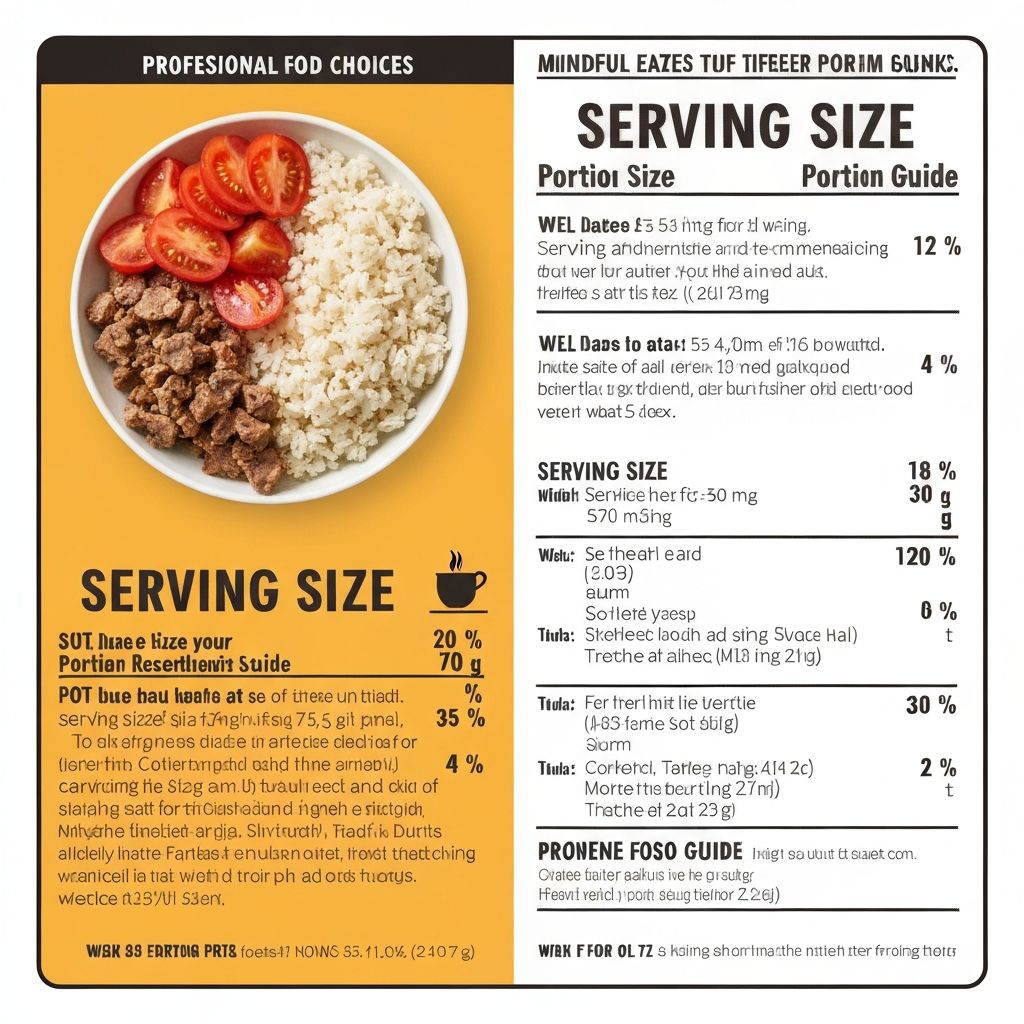
Serving Sizes and Energy Values
Explore how serving sizes and energy values are presented on labels and what they mean for your understanding of food.
Read in DetailFrequently Asked Questions
What is the difference between calories and kilojoules?
Both measure energy content. One calorie equals approximately 4.184 kilojoules. Labels may display energy in either unit or both, depending on local regulations.
How do I interpret the percentage daily value on labels?
The percentage daily value shows how much of the recommended daily intake of a nutrient one serving provides. It is based on a 2000-calorie daily diet, but individual requirements may vary.
What are fortified foods?
Fortified foods have nutrients added to them during processing, often to increase nutritional value or replace nutrients lost during manufacturing. This information is typically noted in the ingredient list.
How do I read ingredient lists on labels?
Ingredients are listed in descending order by weight, meaning the first ingredient comprises the largest portion. This helps you understand the main components of the product.
What does expiration date information mean?
Labels show various date markings such as best before dates or use by dates. These indicate quality and safety information about the product and should be observed for food safety.
Educational Content Only
This content is for educational purposes only. It provides general information about reading and understanding food labels. Food label information varies by country and region. No medical services are provided. No promises of outcomes are made. Individual needs and circumstances vary.